Certificate (Online) | W-001
Water Science, Management & Governance
Course Director: Dr Hasrat Arjjumend
MODULE 2: WATER MANAGEMENT TO WATERSHED MANAGEMENT: WATERSHED, WETLAND, RIVER BASIN
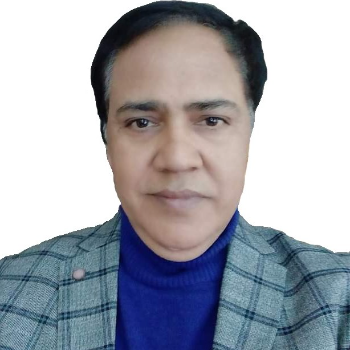
Instructors for Module 2: HG/Er. Sabina Khatri
Ms. Syeda Tabassum Tasfia
Dr. Hamidreza Solaymani
Field Practitioners:
Dear Students,
We welcome you to Module 2. Having completed Module 1 on Water Science, Principles and Technologies, you now possess a scientific understanding of the hydrological cycle, freshwater chemistry, groundwater dynamics, and aquatic ecosystems. We now turn from science to management. Managing water effectively requires working within the natural boundaries of watersheds, recognizing that water flows do not respect administrative borders. Two ecosystems demand particular attention at this juncture: wetlands, among the most biodiverse and functionally rich systems on Earth, and integrated watersheds that must be governed under increasing human and climatic pressures. This module consists of six units:
TABLE OF CONTENTS
Unit 2.1: Principles of Water Management in the Watersheds
2.1.1 Water and Water Cycle
2.1.2. Principles of Water Management in Watersheds
2.1.3 Water Management versus Watershed Management
2.1.4. History of Watershed Management
2.1.5. Water Economics
2.1.6. Economic tools in Watershed Management
2.1.7. Water Modeling
Unit 2.2: Watershed Planning: Survey and Planning
2.2.1. Watershed Planning
2.2.2. The Watershed Planning Survey
Unit 2.3: Watershed Development: Implementation and Evaluation
2.3.1. Watershed Development
2.3.2. Water Institutions and Governance
2.3.3. Monitoring and Evaluatoin of the Watershed Development
Unit 2.4: Wetland Management
2.4.1 Wetland Ecology
2.4.2 Wetland Types and Distribution
2.4.3 Wetland Hydrology
2.4.4 Wetlands and Water Quality
2.4.5. Wetland Inventory, Classification, and Mapping
Unit 2.5: Integrated Watershed Management
2.5.1: Holistic Approach to Integrated Watershed Management
2.5.2: Stakeholder Involvement
2.5.3: Sustainability and Adaptive Management
2.5.4: Land Use, Ecology, and Biodiversity
2.5.5: Water Resources Management and Ecosystem Services
Unit 2.6: Watershed Management and Climate Change
2.6.1: Climate Variability and Climate Change
2.6.2: Changing Hydro-Climatic Patterns
2.6.3: Climate-Induced Risks and Extremes
2.6.4: Watershed Degradation and Environmental Problems
2.6.5: Watershed Vulnerability Assessment and Adaptation Strategies
Having built a scientific foundation in Module 1, understanding the water cycle, freshwater chemistry, hydrology, and the biology of aquatic systems, we now move from science to management. Managing water effectively requires working within the natural boundaries of watersheds, recognizing that water flows do not respect administrative borders. Two ecosystems demand particular attention at this juncture: wetlands, which are among the most biodiverse and functionally rich systems on Earth, and integrated watersheds that must be governed under increasing human and climatic pressures. As you will discover across the six units of this module, effective management demands not just technical knowledge but systemic thinking, stakeholder engagement, and adaptive responses to a changing climate. The governance frameworks, international instruments, and policies that translate this management into action will be taken up in Module 3.
Having developed a scientific understanding of the hydrological cycle, freshwater systems, groundwater, and aquatic ecosystems in Module 1, we now turn to the sustainable management of water resources. This module focuses on watersheds as the fundamental units for water management, recognizing the interconnectedness of land, water, ecosystems, and human activities. As climate change, population growth, and resource pressures intensify, effective watershed management requires integrated planning, stakeholder participation, sound governance, and adaptive decision-making. Through the six units of this module, you will explore watershed planning and development, water institutions, monitoring and evaluation, and the principles of Integrated Water Resources Management (IWRM). The policies and governance frameworks that support these approaches will be examined in greater detail in Module 3.